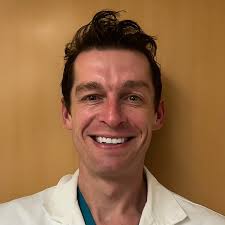
In trauma intensive care units, early and accurate diagnosis of deep vein thrombosis (DVT) is essential to prevent complications like pulmonary embolism. Critically injured patients are often at heightened risk due to prolonged immobility and complex medical conditions. Recognizing the challenges in diagnosing DVT under such circumstances, Dr. Joel Durinka has dedicated his research to evaluating the role of ultrasound in enhancing diagnostic accuracy in trauma care settings.
Ultrasound presents a non-invasive and bedside-friendly solution that can streamline the evaluation process. Unlike traditional imaging methods that may require moving a patient to radiology or exposing them to contrast agents, ultrasound offers a safer, quicker option—especially valuable in intensive care environments. Dr. Joel Durinka has focused specifically on the application of two-point compression ultrasound, a simplified technique that examines key venous segments in the legs to detect the presence of a thrombus.
This approach examines the common femoral and popliteal veins, which are common sites for DVT formation. If compression fails to collapse the vein during the ultrasound, it can indicate a clot. The speed and practicality of this method have the potential to drastically improve early intervention efforts, making it a promising tool for trauma ICUs.
One of the central goals in Dr. Joel Durinka research is to not only validate the effectiveness of this method but also to encourage consistent training and implementation across care teams. When used correctly, two-point compression ultrasound can provide accurate, real-time data that supports timely treatment decisions.
Durinka’s findings contribute to the broader shift in critical care toward point-of-care diagnostics, where timely bedside evaluations can lead to better outcomes. This aligns with growing support for integrating technology into patient monitoring protocols, particularly in high-stakes environments such as trauma units.
Through focused studies and data-driven analysis, Durinka is helping bridge the gap between diagnostic efficiency and clinical practicality. His work underscores the importance of combining medical expertise with innovation, ultimately aiming to reduce preventable complications and improve the overall safety and quality of trauma care.